Αρχειοθήκη ιστολογίου

Αλέξανδρος Γ. Σφακιανάκης
ΩτοΡινοΛαρυγγολόγος
Αναπαύσεως 5
Άγιος Νικόλαος Κρήτη 72100
2841026182
6032607174

Κυριακή 20 Δεκεμβρίου 2020

Naltrexone’s Impact on Cancer Progression and Mortality: A Systematic Review of Studies in Humans, Animal Models, and Cell Cultures

xlomafota.13 shared this article with you from Inoreader

12325.jpg

Abstract

Background

Naltrexone (NTX) is an opioid antagonist traditionally used as a treatment for alcohol and opioid use disorders, but various studies have documented its involvement in cancer progression, exploring possible anticancer potential, when administered at high doses or as low dose naltrexone (LDN). Herein we present a systematic review of cancer-related outcomes from case reports, clinical trials, and retrospective and prospective studies conducted using cell cultures, animal models, and human subjects receiving NTX/LDN.

Methods

A systematic search of NTX in cancer therapy was conducted. Outcomes including tumor size and number, latency to tumor development, survival duration, progression of disease, and scan results were assessed in clinical and animal studies, and cell number was used as the outcome measure of culture studies.

Results

Several case reports demonstrate notable survival durations and metastatic resolutions in patients with late stage cancer when administered an average LDN dose of 3–5 mg/day. Animal and cell culture studies suggest an overarching principle of NTX involvement in cancer pharmacophysiology, suggesting that high doses and continuous administration can foster cancer progression, whereas low doses and intermittent treatment may hinder cell proliferation, impede tumorigenesis, and have potential anticancer efficacy.

Conclusion

This review emphasizes the value of potential future research on NTX in cancer therapy, and warrants need for a better understanding of underlying mechanisms. Future controlled studies with more robust sample sizes, particularly in humans, are needed to fully elucidate its potential in cancer therapy.

View on the web

Pharmacokinetics and Bioequivalence of Cefprozil for Suspension and Granule Formulation in Healthy Chinese Volunteers: Two Single-Dose Crossover Studies

xlomafota.13 shared this article with you from Inoreader

12325.jpg

Abstract

Introduction

Cefprozil, an oral second-generation semi-synthetic cephalosporin, possesses a broad spectrum of antimicrobial activity. A granule formulation has been developed to improve medication adherence of the patients. This study was conducted to assess the bioequivalence of the granule formulation to a dry suspension in healthy Chinese volunteers and estimate the pharmacokinetic (PK) profiles of cefprozil.

Methods

An open-label, randomized, single-dose, two-period, two-group, crossover study was conducted in 60 healthy Chinese volunteers under fasted or fed conditions (30 volunteers for each condition) to assess the bioequivalence between two formulations of cefprozil. Blood samples were collected at specified time intervals, and the plasma concentrations of cis- and trans-cefprozil were determined by a validated liquid chromatography-tandem mass spectrometry (LC–MS/MS) method. PK and bioavailability parameters were estimated via non-compartmental methods. Adverse events (AEs) were also recorded.

Results

Under fasted conditions, the mean Cmax was (3534.70 ± 634.67) ng/ml, Tmax was (0.98 ± 0.25) h, t1/2 was (1.37 ± 0.13) h and AUC0-t was (9302.86 ± 1618.39) ng·h/ml, respectively, after a single dose of 125 mg cefprozil for suspension. Under fed conditions, the mean Cmax was (2438.80 ± 493.78) ng/ml, Tmax was (1.66 ± 0.76) h, t1/2 was (1.36 ± 0.24) h and AUC0-t was (9332.36 ± 1373.61) ng·h/ml, respectively. The PK parameters of the granule formulation of cefprozil were similar to those of the suspension. The 90% CI values of the GMRs of Cmax, AUC0-t and AUC0-∞ under both fasted and fed conditions were within the prespecified bioequivalence range (80.00–125.00%).

Conclusions

According to the criteria for bioequivalence, the test granule formulations of cefprozil and "Cefprozil for Suspension®" were determined to be bioequivalent whether under fasted or fed conditions by measurement of cis-, trans- and total cefprozil.

Trial registration

ClinicalTrials.gov identifier, NCT04414254.

View on the web

Targeted Use of Prednisolone with Intravenous Immunoglobulin for Kawasaki Disease

xlomafota.13 shared this article with you from Inoreader

40261.jpg

Abstract

Background and Objectives

Intravenous immunoglobulin (IVIG) therapy for acute-stage Kawasaki disease (KD) is the first-line treatment for preventing the development of coronary artery aneurysms (CAA). Corticosteroids (prednisolone) and infliximab are often used in patients at a high risk of CAA or those with CAA at diagnosis; however, there are only a few reports of non-responders to corticosteroids as an adjuvant therapy or rescue alternative to IVIG. In this study, we compared the therapeutic effects of primary and secondary prednisolone with IVIG for KD.

Methods

We established the following three protocols: A was a secondary rescue prednisolone protocol; B was no prednisolone and second-line infliximab protocol, and C was the primary prednisolone protocol. The indication for prednisolone administration was based on the following: primary prednisolone administration, Kobayashi score; and secondary administration, Shizuoka score.

Results

Four hundred and sixty-nine patients were enrolled in the three protocols. A comparison between primary and secondary prednisolone and IVIG, as the first-line therapy revealed that the number of first non-responders in C group was 7 (8.3%), which was significantly lower than the 50 (20.9%) in A group. There was a significant difference in the first and second non-responders among the three groups, and the number of non-responders in A group was 6 (2.5%), which was significantly lower than the 13 (9.9%) in B group (p < 0.001, by Bonferroni test). The multivariate logistic regression analysis showed that IVIG non-responders among the protocol groups had an adjusted odds ratio of 6.47. Fifteen IVIG non-responders were administered infliximab as a second-line therapy, and of them, 9 (60%) showed therapy resistance. CAA occurred in 21 patients (4.6%). There was no significant difference among each protocol group.

Conclusions

The number of IVIG non-responders in the group with prednisolone administration was lower than that in the group without prednisolone administration. Secondary rescue infliximab therapy for IVIG non-responders resulted in a lower defervescence effect than the secondary rescue IVIG with prednisolone administration. Further prospective randomized studies are needed to identify factors useful for preventing IVIG non-responders and determine the optimal rescue therapy for preventing CAA.

View on the web

Walking the line: mechanisms underlying directional mRNA transport and localisation in neurons and beyond

xlomafota.13 shared this article with you from Inoreader

18.jpg

Abstract

Messenger RNA (mRNA) localisation enables a high degree of spatiotemporal control on protein synthesis, which contributes to establishing the asymmetric protein distribution required to set up and maintain cellular polarity. As such, a tight control of mRNA localisation is essential for many biological processes during development and in adulthood, such as body axes determination in Drosophila melanogaster and synaptic plasticity in neurons. The mechanisms controlling how mRNAs are localised, including diffusion and entrapment, local degradation and directed active transport, are largely conserved across evolution and have been under investigation for decades in different biological models. In this review, we will discuss the standing of the field regarding directional mRNA transport in light of the recent discovery that RNA can hitchhike on cytoplasmic organelles, such as endolysosomes, and the impact of these transport modalities on our understanding o f neuronal function during development, adulthood and in neurodegeneration.

View on the web

Πέμπτη 17 Δεκεμβρίου 2020

Ophthalmology Clinics

COVID-19 and the Eye: A Comprehensive Review of the Literature
No abstract available

A Review and Update on Surgical Management of Intraocular Lens Dislocation
imageNo abstract available

Updates in the Management of Corneal Ectasia
No abstract available

Review: Optimizing DMEK Technique, 2018-2020
No abstract available

Recent Advances in Pediatric Endothelial Keratoplasty
imageNo abstract available

Recent Updates in Femtosecond Laser-assisted Cataract Surgery
imageNo abstract available

Alpha-Gal Syndrome in Ophthalmology and Medicine: Erratum
No abstract available

#
Medicine by Alexandros G. Sfakianakis,Anapafseos 5 Agios Nikolaos 72100 Crete Greece,00302841026182,00306932607174,alsfakia@gmail.com,
Telephone consultation 11855 int 1193,

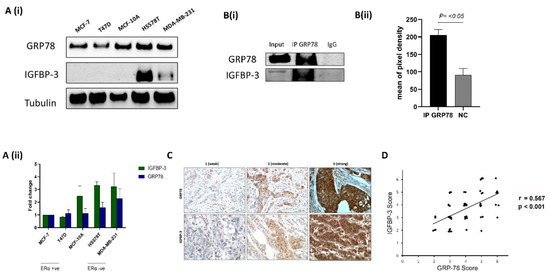
Cancers, Vol. 12, Pages 3821: Interaction between GRP78 and IGFBP-3 Affects Tumourigenesis and Prognosis in Breast Cancer Patients

Alexandros G.Sfakianakis shared this article with you from Inoreader
Μέσω Cancers

cancers-12-03821-g001-550.jpg

Cancers, Vol. 12, Pages 3821: Interaction between GRP78 and IGFBP-3 Affects Tumourigenesis and Prognosis in Breast Cancer Patients

Cancers doi: 10.3390/cancers12123821

Authors: Hanna A. Zielinska Carl S. Daly Ahmad Alghamdi Amit Bahl Muhammed Sohail Paul White Sarah R. Dean Jeff M. P. Holly Claire M. Perks

Insulin-like growth factor binding protein 3 (IGFBP-3) plays a key role in breast cancer progression and was recently shown to bind to the chaperone protein glucose-regulated protein 78 (GRP78); however, the clinical significance of this association remains poorly investigated. Here we report a direct correlation between the expression of GRP78 and IGFBP-3 in breast cancer cell lines and tumour sections. Kaplan&ndash;Meier survival plots revealed that patients with low GRP78 expression that are positive for IGFBP-3 had poorer survival rates than those with low IGFBP-3 levels, and we observed a similar trend in the publicly available METABRIC gene expression database. With breast cancer cells, in vitro IGFBP-3 enhanced induced apoptosis, however when GRP78 expression was silenced the actions of IGFBP-3 were switched from increasing to inhibiting ceramide (C2)-induced cell death and promoted cell invasion. Using immunofluorescence and cell surface biotinylation, we showed that knock-down of GRP78 negated the entry of IGFBP-3 into the cells. Together, our clinical and experimental results suggest that loss of GRP78 reduces IGFBP-3 entry into cells switching its actions to promote tumorigenesis and predicts a poor prognosis in breast cancer patients.

View on the web

Plasma proteomic data can contain personally identifiable, sensitive information and incidental findings [Research]

Alexandros G.Sfakianakis shared this article with you from Inoreader

The goal of clinical proteomics is to identify, quantify, and characterize proteins in body fluids or tissue to assist diagnosis, prognosis, and treatment of patients. In this way, it is similar to more mature omics technologies, such as genomics, that are increasingly applied in biomedicine. We argue that, similar to those fields, proteomics also faces ethical issues related to the kinds of information that is inherently obtained through sample measurement, although their acquisition was not the primary purpose. Specifically, we demonstrate the potential to identify individuals both by their characteristic, individual-specific protein levels and by variant peptides reporting on coding single nucleotide polymorphisms. Furthermore, it is in the nature of blood plasma proteomics profiling that it broadly reports on the health status of an individual – beyond the disease under investigation. Finally, we show that private and potentially sensitive information, such as ethnicity and pregnancy status, can increasingly be derived from proteomics data. Although this is potentially valuable not only to the individual, but also for biomedical research, it raises ethical questions similar to the incidental findings obtained through other omics technologies. We here introduce the necessity of - and argue for the desirability for - ethical and human rights-related issues to be discussed within the proteomics community. Those thoughts are more fully developed in our accompanying manuscript. Appreciation and discussion of ethical aspects of proteomic research will allow for deeper, better-informed, more diverse, and, most importantly, wiser guidelines for clinical proteomics.

View on the web