Αρχειοθήκη ιστολογίου

Αλέξανδρος Γ. Σφακιανάκης
ΩτοΡινοΛαρυγγολόγος
Αναπαύσεως 5
Άγιος Νικόλαος Κρήτη 72100
2841026182
6032607174

Κυριακή 5 Ιουνίου 2022

Discoidin domain receptor 1 may be involved in biological barrier homeostasis

alexandrossfakianakis shared this article with you from Inoreader
Discoidin domain receptor 1 may be involved in biological barrier homeostasis

Discoidin domain receptor 1 (DDR1) is a receptor tyrosine kinase may involved in biological barrier homeostasis, such as epithelial barrier, vascular barrier, glomerular filtration barrier, blood–brain barrier and blood-labyrinth barrier. And DDR1-targeted inhibition has emerged as an attractive research option.


Abstract

What is known and objective

Discoidin domain receptor 1 (DDR1) is a receptor tyrosine kinase involved in the pathological processes of several diseases, such as keloid formation, renal fibrosis, atherosclerosis, tumours, and inflammatory processes. The biological barrier is the first line of defence against pathogens, and its disruption is closely related to diseases. In this review, we attempt to elucidate the relationship between DDR1 and the biological barrier, explore the potential biological value of DDR1, and review the current research status and clinical potential of DDR1-selective inhibitors.

Methods

We conducted an extensive literature search on PubMed to collect studies on the relevance of DDR1 to biological barriers and DDR1-selective inhibitors. With these studies, we explored the relationship between DDR1 and biological barriers and briefly reviewed representative DDR1-selective inhibitors that have been reported in recent years.

Results and discussion

First, the review of the potential mechanisms by which DDR1 regulates biological barriers, including the epithelial, vascular, glomerular filtration, blood-labyrinth, and blood–brain barriers. In the body, DDR1 dysfunction and aberrant expression may be involved in the homeostasis of the biological barrier. Secondly, the review of DDR1 inhibitors reported in recent years shows that DDR1-targeted inhibition is an attractive and promising pharmacological intervention.

What is new and conclusions

This review shows that DDR1 is involved in various physiological and pathological processes and in the regulation of biological barrier homeostasis. However, studies on DDR1 and biological barriers are still scarce, and further studies are needed to elucidate their specific mechanisms. The development of targeted inhibitors provides a new direction and idea to study the mechanism of DDR1.

View on Web

Physical, mechanical and anti‐biofilm formation properties of CAD‐CAM milled or 3D printed denture base resins: In Vitro analysis

alexandrossfakianakis shared this article with you from Inoreader

Abstract

Purpose

To investigate surface characteristics (roughness and contact angle), anti-biofilm formation, and mechanical properties (mini-flexural strength) of computer-aided design and computer-aided manufacturing (CAD-CAM) PMMA polymer, and three-dimensional (3D) printed resin for denture base fabrication compared with conventional heat polymerized denture base resins.

Materials and Methods

A total of 60 discs and 40 rectangular specimens were fabricated from one CAD-CAM (AvaDent), one 3D printed (Cosmos Denture), and two conventional heat polymerized (Lucitone 199 and VipiWave) materials for denture base fabrication. Roughness was determined by Ra value; the contact angle was measured by the sessile drop method; the biofilm formation inhibition behavior was analyzed through C. albicans adhesion, while mini-flexural strength test was done using a three-point bending test. The data were analyzed using descriptive and analytical statistics (α = 0.05).

Results

The CAD-CAM PMMA group showed the lowest C. albicans adhesion (log CFU/mL: 3.74 ±0.57) and highest mini-flexural strength mean (114.96 ±16.23 MPa). 3D printed specimens presented the highest surface roughness (Ra: 0.317 ±0.151 μm) and lowest mini-flexural strength values (57.23 ±9.07 MPa). However, there was no statistical difference between CAD-CAM PMMA and conventional groups for roughness, contact angle, and mini-flexural strength.

Conclusions

CAD-CAM milled materials present surface and mechanical properties similar to conventional resins and show improved behavior preventing C. albicans adhesion. Nevertheless, 3D printed resins present decreased mini-flexural strength.

This article is protected by copyright. All rights reserved

View on Web

Πέμπτη 2 Ιουνίου 2022

Hippocampal avoidance prophylactic cranial irradiation (HA-PCI) for small cell lung cancer reduces hippocampal atrophy compared to conventional PCI

alexandrossfakianakis shared this article with you from Inoreader
Abstract
Background
Reducing radiation dose to the hippocampus with hippocampal avoidance prophylactic cranial irradiation (HA-PCI) is proposed to prevent cognitive decline. It has, however, not been investigated whether hippocampal atrophy is actually mitigated by this approach. Here, we determined whether HA-PCI reduces hippocampal atrophy. Additionally we evaluated neurotoxicity of (HA-)PCI to other brain regions. Finally, we evaluated associations of hippocampal atrophy and brain neurotoxicity with memory decline.
Methods
High quality research MRI scans were acquired in the multicenter, randomized phase 3 trial NCT01780675. Hippocampal atrophy was evaluated 4 months (57 HAPCI patients and 46 PCI patients) and 12 months (28 HAPCI patients and 27 PCI patients) after (HA-)PCI. We additionally studied multimodal indices of brain injury. Memory was assessed with the Hopkins Verbal Learning Test Revised (HVLT-R).
Results
HA-PCI r educed hippocampal atrophy at 4 months (1.8% for HA-PCI and 3.0% for PCI) and at 12 months (3.0% for HA-PCI and 5.8% for PCI). Both HA-PCI and PCI were associated with considerable reductions of gray matter and normal appearing white matter, increases of white matter hyperintensities and brain aging. There were no significant associations between hippocampal atrophy and memory.
Conclusions
HA-PCI reduces hippocampal atrophy at 4 and 12 months compared to regular PCI. Both types of radiotherapy are associated with considerable brain injury. We did not find evidence for excessive brain injury after HA-PCI relative to PCI. Hippocampal atrophy was not associated with memory decline in this population as measured with HVLT-R. The usefulness of HA-PCI is still subject to debate.
View on Web

Dedicated isotropic 3-D T1 SPACE sequence imaging for radiosurgery planning improves brain metastases detection and reduces the risk of intracranial relapse

alexandrossfakianakis shared this article with you from Inoreader

S01678140.gif

Publication date: Available online 2 June 2022

Source: Radiotherapy and Oncology

Author(s): Tugce Kutuk, Kevin J. Abrams, Martin C. Tom, Muni Rubens, Haley Appel, Charif Sidani, Matthew D. Hall, Ranjini Tolakanahalli, D. Jay J. Wieczorek, Alonso N. Gutierrez, Michael W. McDermott, Manmeet S. Ahluwalia, Minesh P. Mehta, Rupesh Kotecha

View on Web

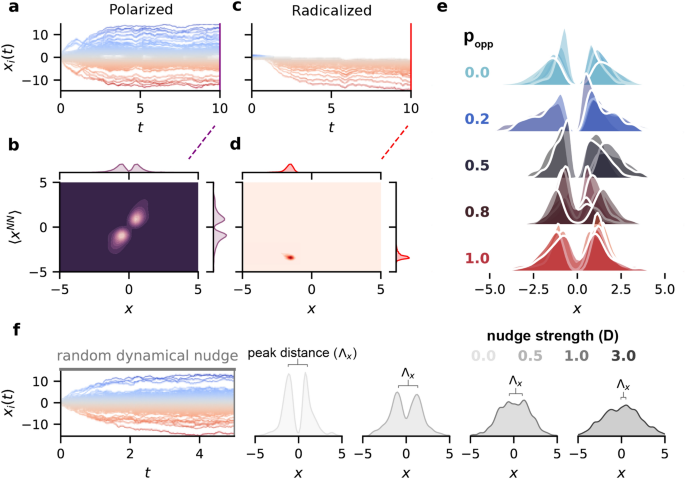
Depolarization of echo chambers by random dynamical nudge

alexandrossfakianakis shared this article with you from Inoreader

41598_2022_12494_Fig1_HTML.png

View on Web

First case of human Brucella canis infection in the Netherlands

alexandrossfakianakis shared this article with you from Inoreader
Abstract
A patient was diagnosed with B. canis following exposure to infected dogs in her breeding facility. Transboundary spread of B. canis trough (illegal) import of infected dogs to non-endemic countries in Europe suggest that B. canis infection should be considered in European patients with occupational exposure to dogs.
View on Web

Effectiveness of Paxlovid in Reducing Severe COVID-19 and Mortality in High Risk Patients

alexandrossfakianakis shared this article with you from Inoreader
Abstract
Background
Paxlovid was granted emergency use authorization for the treatment of mild to moderate COVID-19, based on the interim analysis of EPIC-HR trial. Paxlovid effectiveness needs to be assessed in a noncontrolled setting. In this study we used population-based real world data to evaluate the effectiveness of Paxlovid.
Methods
The database of the largest healthcare provider in Israel was used to identify all adults aged 18 years or older with first ever positive test for SARS-CoV-2 between January and February 2022, who were at high risk for severe COVID-19 and had no contraindications for Paxlovid use. Patients were included irrespective of their COVID-19 vaccination status. Cox hazard regression was used to estimate the 28 day HR for severe COVID-19 or mortality with Paxlovid examined as time-dependent variable.
Results
Overall, 180,351 eligible were included, of them only 4,737 (2.6%) were treated with Paxlovid , and 135,482 (75.1%) had adequate COVID-19 vaccination status. Both Paxlovid and adequate COVID-19 vaccination status were associated with significant decrease in the rate of severe COVID-19 or mortality with adjusted HR 0.54 (95% CI, 0.39-0.75) and 0.20 (95% CI, 0.17-0.22), respectively. Paxlovid appears to be more effective in older patients, immunosuppressed patients, and patients with underlying neurological or cardiovascular disease (interaction p-value <0.05 for all). No significant interaction was detected between Paxlovid treatment and COVID-19 vaccination status.
Conclusions
This study suggests that in the era of omicron and in real life setting Paxlovid is highly effective in reducing the risk of severe COVID-19 or mortality.
View on Web