Αρχειοθήκη ιστολογίου

Αλέξανδρος Γ. Σφακιανάκης
ΩτοΡινοΛαρυγγολόγος
Αναπαύσεως 5
Άγιος Νικόλαος Κρήτη 72100
2841026182
6032607174

Πέμπτη 16 Ιουνίου 2022

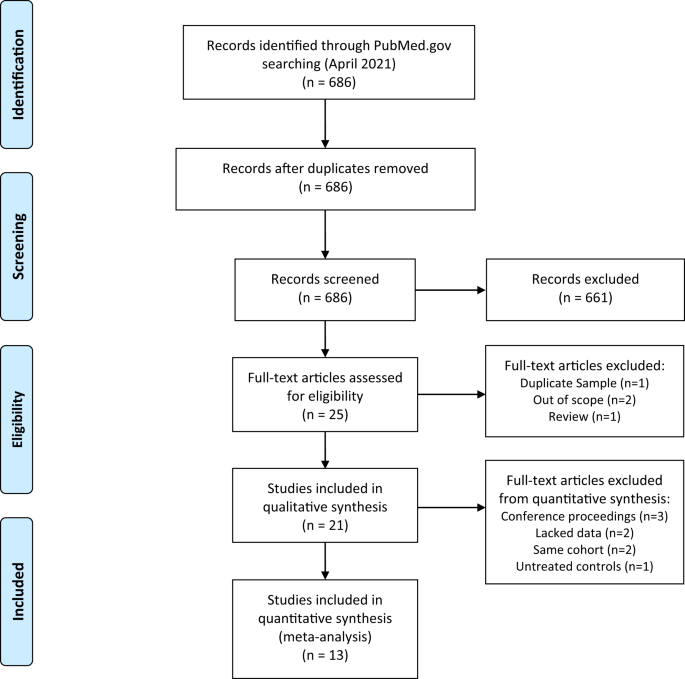
Pharmacogenomics of Clozapine-induced agranulocytosis: a systematic review and meta-analysis

alexandrossfakianakis shared this article with you from Inoreader

41397_2022_281_Fig1_HTML.png

View on Web

Pharmacogenomics of Clozapine-induced agranulocytosis: a systematic review and meta-analysis

alexandrossfakianakis shared this article with you from Inoreader

41397_2022_281_Fig1_HTML.png

The Pharmacogenomics Journal, Published online: 16 June 2022; doi:10.1038/s41397-022-00281-9

Pharmacogenomics of Clozapine-induced agranulocytosis: a systematic review and meta-analysis
View on Web

Internet-based vestibular rehabilitation versus standard care after acute onset vertigo: a study protocol for a randomized controlled trial

alexandrossfakianakis shared this article with you from Inoreader

13063.jpg

Dizziness and vertigo affect around 15% of adults annually and represent common reasons for contacting health services, accounting for around 3% of all emergency department visits worldwide. Vertigo is also as...
View on Web

The role of bacterial corrosion on recolonization of titanium implant surfaces: An in vitro study

alexandrossfakianakis shared this article with you from Inoreader

Abstract

Background

Inflammation triggered by bacterial biofilms in the surrounding tissue is a major etiological factor for peri-implantitis and subsequent implant failure. However, little is known about the direct effects of bacterial corrosion and recolonization on implant failure

Purpose

To investigate the influence of oral commensals on bacterial corrosion and recolonization of titanium surfaces.

Materials and Methods

Streptococcus sanguinis (S. sanguinis) and Porphyromonas gingivalis (P. gingivalis), which are key bacteria in oral biofilm formation, were cultured on commercially pure titanium and titanium-aluminum-vanadium (Ti6Al4V) plates in artificial saliva/brain heart infusion medium under aerobic or anaerobic conditions. Biofilm formation was examined after 7 and 21 days by crystal violet and live/dead staining. Titanium ions released into culture supernatants were analyzed over a period of 21 days by atomic absorption spectrometry. Visual changes in surface morphology were investigated using scanning electron microscopy. Biofilm formation on sterilized, biocorroded, and recolonized implant surfaces was determined by crystal violet staining.

Results

S. sanguinis and P. gingivalis formed stable biofilms on the titanium samples. Bacterial corrosion led to a significant increase in titanium ion release from these titanium plates (p < 0.01), which was significantly higher under aerobic conditions on pure titanium (p ≤ 0.001). No obvious morphological surface changes, such as pitting and discoloration, were detected in the titanium samples. During early biofilm formation, the addition of titanium ions significantly decreased the number of live cells. In contrast, a significant effect on biofilm mass was only detected with P. gingivalis. Bacterial corrosion had no influence on bacterial recolonization following sterilization of titanium and Ti6Al4V surfaces.

Conclusion

Bacterial corrosion differs between oral commensal bacteria and leads to increased titanium ion release from titanium plates. The titanium ion release did not influence biofilm formation or bacterial recolonization under in vitro conditions

View on Web

Τετάρτη 15 Ιουνίου 2022

Giant solitary synovial osteochondromatosis of the temporomandibular joint: A case report

alexandrossfakianakis shared this article with you from Inoreader

Publication date: Available online 15 June 2022

Source: Journal of Oral and Maxillofacial Surgery, Medicine, and Pathology

Author(s): Hisashi Ozaki, Masatoshi Chiba, Yoshioki Hamamoto, Mitsuyoshi Iino

View on Web

BCAP31 is involved in modulating colorectal cancer cell proliferation via the Emerin/β-catenin axis

alexandrossfakianakis shared this article with you from Inoreader

1-s2.0-S0014482722X0013X-cov150h.gif

Publication date: Available online 15 June 2022

Source: Experimental Cell Research

Author(s): Liping Han, Junyang Shi, Lili Zhao, Jiaqiang Deng, Yan Li, Hong Zhao, Huani Wang, Yan Yan, Fangdong Zou

View on Web

Analgesia for Retinopathy of Prematurity Screening: A Systematic Review

alexandrossfakianakis shared this article with you from Inoreader

Abstract

Background and Aims

Premature neonates require regular ophthalmological examination, generally indirect ophthalmoscopy, to screen for retinopathy of prematurity (ROP). Conventional analgesia is provided with topical anaesthetic eyedrops and oral sugar solution, but neonates still experience significant pain. Here, the literature base was examined to evaluate the usefulness of other pharmacological analgesics.

Materials and Methods

A systematic review was undertaken, adhering to a PROSPERO preregistered protocol in accordance with PRISMA guidelines (identifier CRD42022302459). Electronic databases were searched for primary research articles on pharmacological pain interventions used for ROP screening in neonates. The primary outcome measure was pain scores recorded using validated pain scoring tools, with and without pharmacological interventions in neonates during eye examination. For analysis, studies were separated into two categories: topical anaesthesia and alternative pharmacological treatments.

Results

Eleven studies met the inclusion criteria. Topical analgesia, oral paracetamol, and intranasal fentanyl were found to be effective in reducing the pain of eye examination. Oral morphine and inhaled nitrous oxide had no significant effect on premature infant pain profile (PIPP) scores during indirect ophthalmoscopy.

Discussion

In addition to topical anaesthesia, premedication with oral paracetamol is recommended during screening examination for ROP. The routine use of fentanyl is not recommended due to the risk of potential side effects. Non-pharmacological measures, such as sweet oral solutions and comfort techniques may also be employed. Further research is required to determine whether the use of nitrous oxide has a role, and to develop a safe and effective analgesic strategy to fully ameliorates the pain of ROP screening.

View on Web