Αρχειοθήκη ιστολογίου

Αλέξανδρος Γ. Σφακιανάκης
ΩτοΡινοΛαρυγγολόγος
Αναπαύσεως 5
Άγιος Νικόλαος Κρήτη 72100
2841026182
6032607174

Δευτέρα 4 Ιουλίου 2022

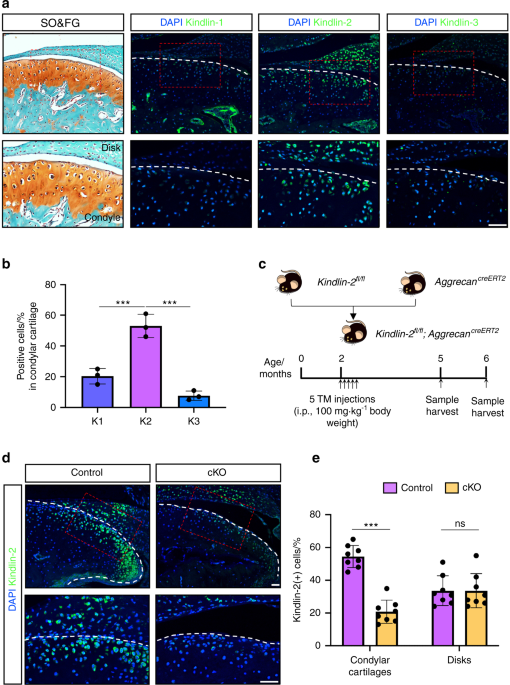
Kindlin-2 loss in condylar chondrocytes causes spontaneous osteoarthritic lesions in the temporomandibular joint in mice

alexandrossfakianakis shared this article with you from Inoreader

41368_2022_185_Fig1_HTML.png

View on Web

Perioperative Antibiotic Stewardship in the Organ Transplant Setting

alexandrossfakianakis shared this article with you from Inoreader

Abstract

Background

Solid organ transplant (SOT) recipients can benefit from traditional antimicrobial stewardship (AMS) activities directed to improve judicious perioperative prescribing and management, but evidence is lacking. The aim of this expert opinion review is to provide an update on the current landscape of application of AMS practices for optimization of perioperative prophylaxis (PP).

Methods

We reviewed the available literature on early post-operative infectious complications in SOT and PP management, on modified perioperative approaches in case of infection or colonization in recipients and donors and on AMS in transplantation PP.

Results

SOT recipients are at high risk for early post-operative infectious complications due to the complexity of surgical procedures, severity of end stage organ disease, net state of immunosuppression in the post-transplant period and to the high risk for multidrug resistant organism. Moreover, SOT may be exposed to preservation fluid infections and expected or unexpected donor-derived infections. We summarize main factors to take into account when prescribing transplant PP.

Conclusion

Creating personalized PP to avoid unwanted consequences of antimicrobials while improving outcomes is an emerging and critical aspect in SOT setting. Further studies are needed to offer best PP tailored to SOT type and to evaluate interventions efficacy and safety.

This article is protected by copyright. All rights reserved

View on Web

Does Esophagectomy Provide a Survival Advantage to Patients Aged 80 Years or Older? Analyzing 5066 Patients in the National Database of Hospital-based Cancer Registries in Japan

alexandrossfakianakis shared this article with you from Inoreader
imageObjective: To determine whether esophagectomy provides a survival advantage in octogenarians with resectable thoracic esophageal cancer. Summary Background Data: Elderly patients with thoracic esophageal cancer do not always receive the full standard treatment; however, advanced age alone should not preclude the use of effective treatment that could meaningfully improve survival. Methods: We retrieved the 2008 to 2011 data from the National Database of Hospital-based Cancer Registries from the National Cancer Centerin Japan, divided the patients into a ≥75 group (75–79 years; n = 2935) and a ≥80 group (80 years or older; n = 2131), and then compared the patient backgrounds and survival curves. A multivariable Cox proportional hazards regression model was developed to compare the effects of esophagectomy and chemoradiotherapy in the 2 groups. Results: A significantly greater percentage of patients were treated with esoph-agectomy in the ≥75 group (34.6%) than the ≥80 group (18.4%). Among patients who received esophagectomy, the 3-year survival rate was 51.1% in the ≥ 75 group and 39.0% in the ≥80 group (P
View on Web

Fastigial nuclei surgical damage and focal midbrain disruption implicate PAG survival circuits in cerebellar mutism syndrome

alexandrossfakianakis shared this article with you from Inoreader
Abstract
Background
Pediatric postoperative cerebellar mutism syndrome (CMS) is a rare but well-known complication of medulloblastoma (Mb) resection with devastating effects on expressive language, mobility, cognition, and emotional regulation that diminishes quality of life for many Mb survivors. The specific anatomical and neuronal basis of CMS remains obscure. We address this issue by identifying patterns of surgical damage and secondary axonal degeneration in Mb survivors with CMS.
Methods
Children with Mb deemed high-risk for CMS based on intraventricular location of the tumor had T1 images analyzed for location(s) of surgical damage using a specially developed algorithm. We used three complementary methods of spatial analysis to identify surgical damage linked to CMS diagnosis. Magnetization transfer ratio (MTR) images were analyzed for evidence of demyelination in anatomic regions downstream of the cerebellum, indicating neuronal dysfunction.
Results
Spatial analyses highlighted damage to the fastigial nuclei and their associated cerebellar cortices as the strongest predictors of CMS. CMS-related MTR decrease was greatest in the ventral periaqueductal grey area (PAG) and highly consistent in the left red nucleus.
Conclusion
Our evidence points to disruption of output from the fastigial nuclei as a likely causal trigger for CMS. We propose that core CMS symptoms result from a disruption in the triggering of survival behaviors regulated by the PAG, including the gating of vocalization and volitional movement. The fastigial nuclei provide the densest output to the PAG from the cerebellum, thus sparing these structures may provide a greater likelihood of CMS prevention.
View on Web

Κυριακή 3 Ιουλίου 2022

Cone beam computed tomography volumetric airway changes after orthognathic surgery: a systematic review

alexandrossfakianakis shared this article with you from Inoreader
The aim of this systematic review was to provide a structured overview of three-dimensional airway volume changes in relation to various orthognathic surgeries. Clinical human studies performing pre- and postoperative three-dimensional airway volume assessments to investigate volumetric changes of the airway after orthognathic surgery were included. Pre-determined inclusion and exclusion criteria were applied in an extensive search of the PubMed, Embase, and Web of Science electronic databases. The cut-off date was set to January 1, 2022. (Source: International Journal of Oral and Maxillofacial Surgery)
View on Web

Exploring the impact of metabolic imaging in head and neck cancer treatment

alexandrossfakianakis shared this article with you from Inoreader

Abstract

Background

Target volume delineation is performed with anatomical imaging for head and neck cancer. Molecular imaging allows the recognition of specific tumor regions. Its inclusion in the pathway could lead to changes in delineation and resultant treatment plans.

Methods

PRISMA methodology was adhered to when selecting the articles for analysis and only full articles were quality assessed.

Results

Seventeen articles were included. Gross tumor volume (GTV) primary, GTV nodal, and other target volumes were evaluated. Positron emission tomography/computerized tomography (PET/CT) produced smaller primary GTVs, although not with diffusion-weighted imaging-magnetic resonance imaging (DWI-MRI) or PET/MRI. The impact of these image modalities on GTV nodal did not display any consistency. Additionally, there was considerable heterogeneity in metrics comparing delineations. Four studies included appraised the dosimetric impact of the changes in target volume delineation.

Conclusion

Quantifying the impact of molecular imaging is difficult, due to heterogeneity in reporting metrics in molecular imaging modalities and a paucity of detail regarding delineation method and guideline adherence.

View on Web

A comparison of four drug–drug interaction databases for patients undergoing haematopoietic stem cell transplantation

alexandrossfakianakis shared this article with you from Inoreader
A comparison of four drug–drug interaction databases for patients undergoing haematopoietic stem cell transplantation

We examined the 21-day treatment sheets of one hundred patients who underwent haematopoietic stem cell transplantation in two subscription-based and two open-access databases in terms of several categories for 2 years in a row. Fleiss' and Cohen's kappa statistics were used to analyse the databases' agreement levels. None of the databases detected all of the interactions, and the severity categories assigned to interactions were often different among the four-drug interaction database programmes. A total of 1393 and 1382 different drug–drug interactions were detected in the subsequent versions of the databases, namely the 2021 and 2022 versions. The Fleiss kappa overall agreement among databases was slight. Uptodate and Micromedex showed fair agreement, and other database pairs showed slight agreement in severity ratings. There was a poor agreement among databases for interactions seen in bone marrow transplantation patients. Therefore, it would be safer to use more than one d atabase in daily practice. Further work needs to be done to understand the agreement-level of databases for different types of interactions.


Abstract

What is known and objective

Patients who have undergone haematopoietic stem cell transplantation are prone to drug–drug interactions due to polypharmacy. Drug–drug interaction databases are essential tools for identifying interactions in this patient group. However, drug–drug interaction checkers, which help manage interactions, may have disagreements about assessing the existence or severance of the interactions. The study aimed to determine differences among popular drug–drug interaction databases from several angles for patients who underwent haematopoietic stem cell transplantation.

Methods

The 21-day treatment sheets of one hundred patients who underwent haematopoietic stem cell transplantation were examined in two subscription-based (Uptodate and Micromedex) and two open-access databases (Drugs.com and Epocrates) in terms of several categories two years in a row. Statistical analysis was utilized to understand the compatibility of databases in terms of severity scores, evidence levels, given references, and word counts in interaction reports. Fleiss' and Cohen's kappa statistics were used to analyse the databases' agreement levels.

Results and discussion

A total of 1393 and 1382 different drug–drug interactions were detected in subsequent versions of the databases, namely the 2021 and 2022 versions. The Fleiss kappa overall agreement among databases was slight. Uptodate and Micromedex showed fair agreement, and other database pairs showed slight agreement in severity ratings.

Conclusion

There was a poor agreement among databases for interactions seen in bone marrow transplantation patients. Therefore, it would be safer to use more than one database in daily practice. Further work needs to be done to understand the agreement level of databases for different types of interactions.

View on Web